





Selecting FR Clothing for Cold Weather: Cold Stress Solutions Without Compromising Performance
As the temperatures drop, keeping workers warm becomes critical – and choosing the right FR clothing is key. Cold weather introduces a serious hazard: cold stress. Much like heat stress, cold stress occurs when the body can no longer maintain a safe core temperature. As skin temperature drops, core body temperature can fall too, which can reduce productivity and focus. In severe cases, cold stress can lead to hypothermia, causing loss of coordination, slower breathing and heart rate, and even unconsciousness. Protecting your team starts with selecting FR clothing designed for cold conditions.
Below are key considerations for selecting FR clothing to keep your workers safe and comfortable during winter months.
View all Flame Resistant Clothing options for men and women from DRIFIRE®.
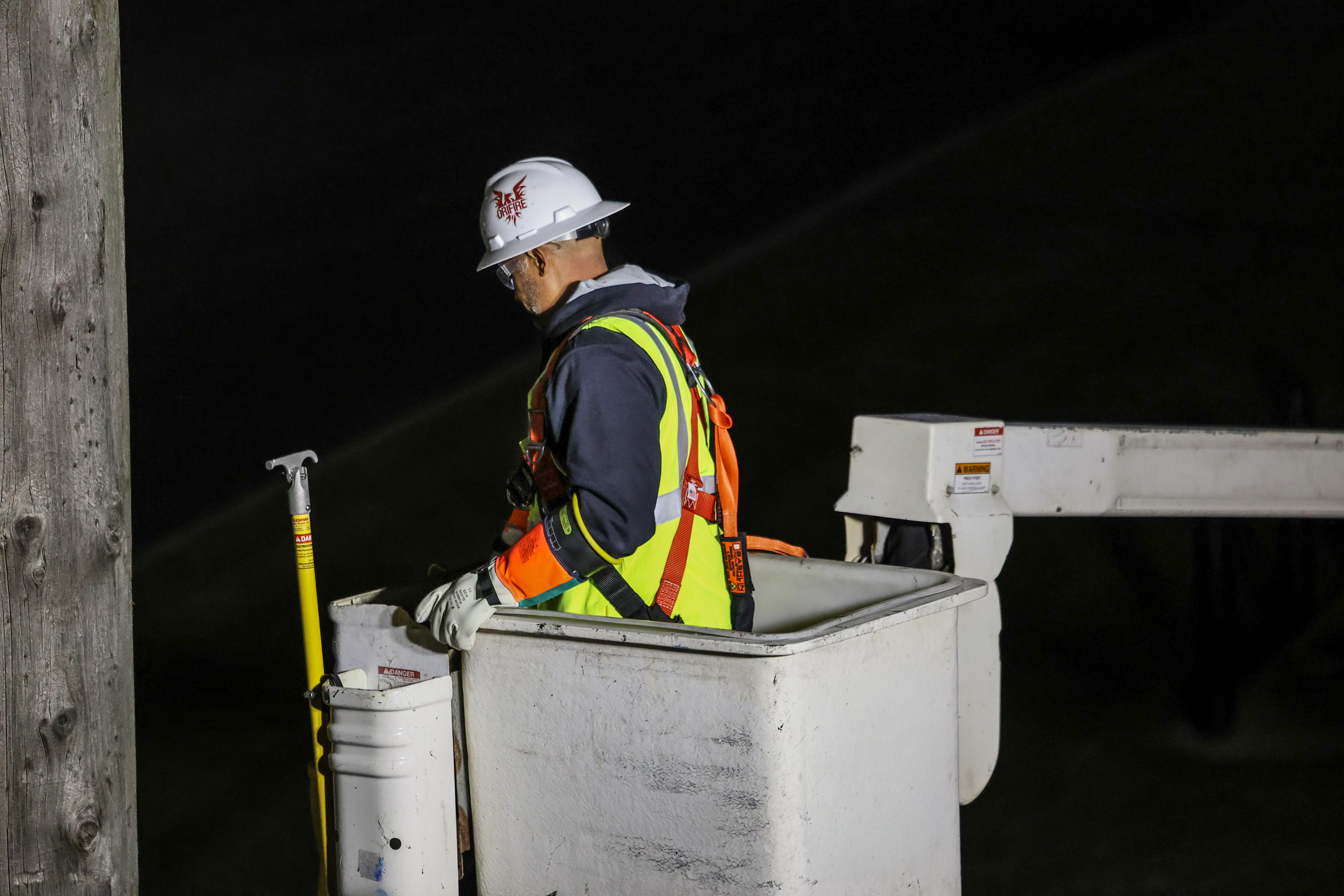
COMPLIANCE
The first priority when selecting FR clothing is staying compliant with industry and employer safety standards. Compliance starts with identifying all potential hazards. As outlined by NFPA®, and OSHA, employers are required to conduct an arc flash study and a hazard risk assessment to pinpoint these risks. Once hazards are identified, steps should be taken to eliminate or control them wherever possible.
For hazards that cannot be removed, employers must provide the proper PPE and train employees on both the risks and how to use the protective equipment correctly. Hazards can come from a variety of sources, including:
- Environment: Extreme temperatures, gas or vapor exposure
- Work organization: Manual handling or repetitive tasks
- Equipment: Ladders, moving machinery, or vehicles
- Thermal sources: Welding, radiant heat
- Electricity: Electric shock, arc flash
Understanding the specific hazards and work practices on site helps determine whether employees need daily FR workwear, task-specific PPE, or both.
COMFORT
One of the main reasons workers don’t comply with PPE protocols is that FR garments are uncomfortable – they simply don’t want to wear them. Other common complaints include garments that are too hot or poorly fitted. The best way to address this is by providing workers with clothing they actually want to wear – garments that support productivity through comfort.
Based on our end-user research, a comfortable FR garment has three key characteristics: lightweight, breathable, and moisture-wicking.
- Lightweight: Adds warmth without weighing down the worker or restricting movement.
- Breathable: Allows heat and air to flow through the garment to prevent overheating.
- Moisture-wicking: Keeps workers dry by pulling moisture away from the skin and releasing it into the air.
Garments that combine these characteristics improve safety and productivity by reducing the distraction and discomfort that can come from traditional FR clothing.
MOISTURE WICKING
Even in cold weather, workers can still sweat. Moisture and dampness from sweat can increase the rate of heat loss, accelerating cold stress. The best way to combat perspiration – and the resulting cold stress – is with FR clothing that is moisture-wicking. This feature supports not only comfort but also worker safety and productivity.
Moisture-wicking fabrics are created using a blend of hydrophilic and hydrophobic fibers:
- Hydrophilic fibers (“water-loving”) pull moisture away from the skin.
- Hydrophobic fibers (“water-hating”) push moisture to the surface of the garment, where it can evaporate.
Together, these fibers create a fabric that dries 2–3 times faster than cotton. Layering multiple garments, from base layers to outerwear, helps keep workers dry, warm, and comfortable throughout the workday.
LAYERING
Layering is an effective way to keep workers warm and protected from cold stress. From moisture-wicking base layers to FR outerwear, layering garments helps maintain body temperature throughout the day. FR Control base layers – including shirts, long johns, and balaclavas – regulate skin temperature (+/- 3 degrees) to keep workers warm in cold conditions and comfortable when active, with moisture-wicking properties helping to manage sweat and maintain warmth. To reduce cold stress, OSHA recommends wearing light, loose layers, as they provide better insulation and are easy to remove.
DRIFIRE® makes a variety of comfortable daily work wear options – from FR pants and jeans to FR work shirts and coveralls – that can be layered on top of base layers to keep workers warm while maintaining the protection they need for their tasks. For extra warmth, FR sweatshirts are a reliable choice. Available in zip front, quarter zip, and pullover styles, these arc-rated sweatshirts come in multiple weight options, allowing workers to adjust the amount of warmth they need without compromising their FR coverage.
For protection against wind, rain, and snow, FR jackets serve as the outer layer. In a layered system, the outermost garment must be FR to maintain compliance, making FR jackets an essential part of cold-weather workwear. These jackets provide insulation and coverage while maintaining arc-rated protection and freedom of movement, completing the layering system for cold-weather conditions. In environments where visibility is critical, hi-vis jackets with reflective trim help workers remain recognizable in low light, snow glare, or low-contrast conditions without compromising warmth or FR protection.
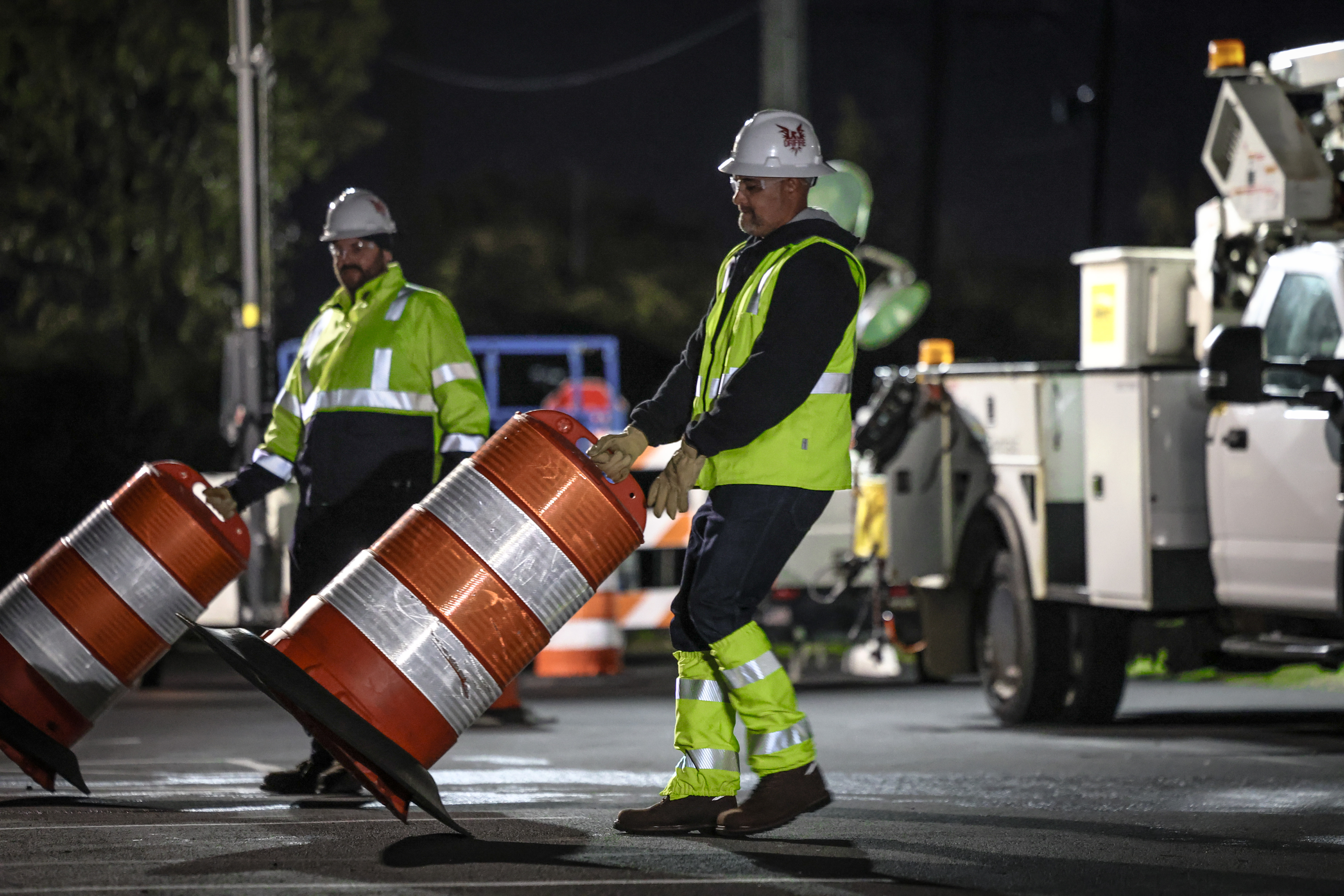
Cold weather brings additional hazards, including decreased visibility, shorter daylight hours, and foul weather. The best way to maintain safety and productivity is by providing FR clothing that keeps workers comfortable, visible when needed, and properly equipped for the job. Following these considerations, along with employer requirements, will help you select the right FR clothing for the season.
For additional information on FR clothing for cold weather, contact our customer service team through email at customerservice@thinknsa.com or by phone at 1-800-553-0672.
Stay in the loop.
Sign up for our emails to be the first to know about exclusive product offerings
and all things DRIFIRE.